Understanding Recurring Mould Growth: Root Causes Every Australian Homeowner Should Know
KOTARA, AUSTRALIA - February 11, 2026 (NEWMEDIAWIRE) - Mould Removal Newcastle Experts - Discovering mould in your home is frustrating enough, but watching it return week after week can feel like a never-ending battle. Many Australian homeowners find themselves scrubbing away visible mould growth, only to see it reappear in the same spots within days or weeks. The truth is, surface cleaning only addresses the symptoms, not the underlying problems causing mould to thrive in your home.
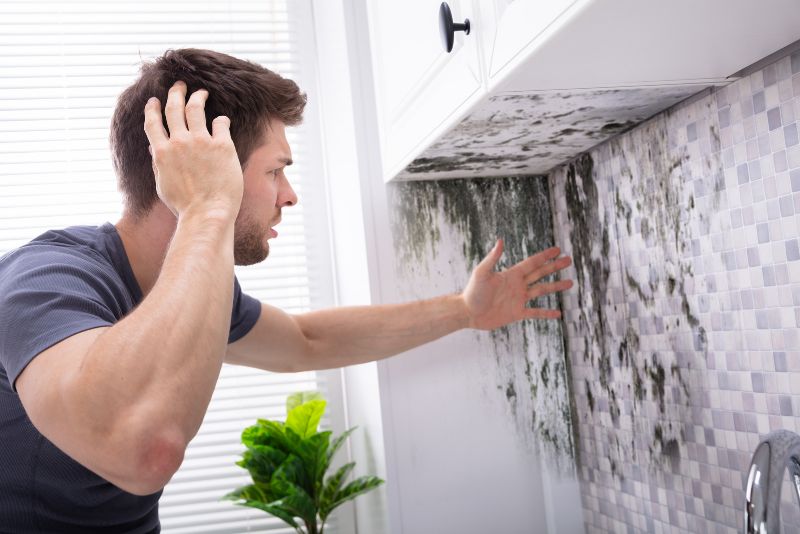
Understanding why mould keeps returning is the first step toward achieving a permanent solution. This guide explores the root causes behind recurring mould problems and helps you identify when professional intervention becomes necessary.
Poor Ventilation: The Silent Culprit Behind Recurring Mould Growth
Inadequate airflow is one of the most common reasons mould returns to Australian homes. When air becomes stagnant, moisture accumulates in enclosed spaces like bathrooms, laundries, and wardrobes. Without proper ventilation to carry this moisture away, it settles on surfaces and creates ideal conditions for mould spores to germinate.
Modern homes built with energy efficiency in mind often trap moisture inside due to improved sealing. Bathrooms without exhaust fans, kitchens lacking range hoods, and bedrooms with closed windows all contribute to moisture buildup. Even homes with ventilation systems may experience problems if these systems aren't maintained or run frequently enough to manage humidity levels effectively.
Hidden Water Leaks and Moisture Sources in Your Home
Mould frequently returns because homeowners treat the visible growth without discovering the hidden water source feeding it. Leaking pipes behind walls, slow drips under sinks, and compromised roof flashing introduce continuous moisture into your home's structure. These concealed leaks often go undetected for months, creating damp conditions within wall cavities and ceiling spaces where mould colonies establish themselves.
Other moisture sources include rising damp, condensation on cold water pipes, and water penetration through cracked external render or damaged window seals. In older Australian homes, deteriorating plumbing and outdated waterproofing commonly cause recurring mould issues. Until these underlying moisture problems are identified and properly repaired, surface mould treatment remains a temporary fix.
How Australian Climate and Humidity Levels Fuel Mould Problems
Australia's diverse climate zones present unique challenges for mould prevention. Coastal areas from Newcastle to the Gold Coast experience high humidity levels year-round, creating environments where mould thrives naturally. During summer, humidity combined with heat accelerates mould growth, while winter brings condensation issues as warm indoor air meets cold surfaces.
Subtropical and tropical regions face the most persistent mould challenges, with humidity regularly exceeding 60%, where mould growth accelerates significantly. Heavy rainfall periods saturate building materials, and without adequate drying time between weather events, moisture accumulates progressively. Homes near water or in valley locations often experience elevated ambient humidity that contributes to ongoing mould problems.
Inadequate Insulation and Condensation: A Dangerous Combination
Poor insulation creates temperature differentials that lead to condensation, a major contributor to recurring mould growth. When warm, moisture-laden air contacts cold surfaces like uninsulated walls or windows, water droplets form. This condensation provides the consistent moisture that mould needs to spread.
Single-glazed windows are notorious condensation points in Australian homes, particularly during winter mornings. Similarly, inadequately insulated exterior walls in air-conditioned rooms become cold surfaces where indoor humidity condenses. Roof spaces without proper insulation and ventilation can trap moisture, leading to mould growth on ceiling timbers. These structural issues create ongoing problems that surface cleaning cannot resolve.
When to Call Professional Mould Remediation Services: Warning Signs You Shouldn't Ignore
If mould returns within weeks of cleaning, covers areas larger than one square meter, or appears in multiple locations, professional assessment becomes essential. Persistent musty odours even after visible mould removal indicate hidden growth within building structures requiring specialised detection and treatment.
Health symptoms, including respiratory issues, persistent coughing, or allergic reactions that worsen at home, signal potentially serious mould contamination. Mould appearing after flooding, affecting porous materials like drywall, or showing black discolouration, suggesting toxic species, should never be treated as DIY projects. Mould Removal Newcastle Experts use moisture meters, thermal imaging, and air quality testing to identify hidden problems and implement comprehensive solutions addressing root causes rather than surface symptoms.
Take Control of Your Mould Problem Today
Recurring mould growth doesn't resolve itself, and continued exposure poses risks to both your property and wellbeing. Understanding the root causes is essential, but eliminating persistent mould problems requires professional expertise and specialised equipment.
Don't let recurring mould compromise your home's integrity and your family's health. Contact Mould Removal Newcastle Experts today for a thorough inspection and customised remediation plan that addresses the underlying causes of your mould issues, not just the visible symptoms.
Contact Information:
Mould Removal Newcastle Experts
127 Rae Cres
Kotara, NSW 2289
Australia
Elliot Adda
+61 2 4072 2397
https://newcastlemouldremoval.com.au/