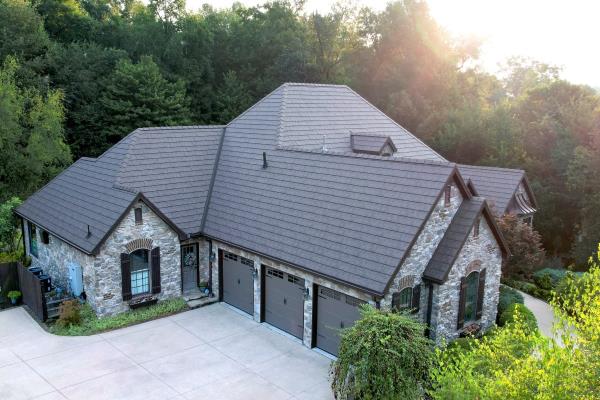
SPONSORED CONTENT -- (StatePoint) Shopping for a new roof but unsure if metal is the right material for your home? Metal roofing is tougher, safer and longer-lasting than asphalt, with an expected lifespan of more than 50 years. Additionally, metal roof systems offer energy cost savings, withstand extreme weather, and boost resale value.
Despite these benefits, lingering myths sometimes prevent homeowners from opting for metal roofs. Below are answers to frequently asked questions about metal roofs to help you sort fact from fiction:
Can you walk on a metal roof? Tin roofs that bend, buckle or crumple are a thing of the past. Whether cleaning gutters, picking up storm debris or fetching a lost kite, you can do so on a high-quality metal roof. For example, ProVia shake, slate and barrel tile metal roofing is made with strong 26-gauge galvanized steel. Just be sure to ask your contractor or manufacturer where and how to walk on the roof and never do so when it is wet or extremely dusty.
Is metal roofing heavy? Metal panel roofing systems are heavy duty, not heavyweight, giving you the added strength of steel without added weight. The average per-square weight for an asphalt shingle roof is 240-270 pounds, and for slate is 800-1500 pounds. By contrast, a metal roof system is much lighter, coming in at a per-square-weight of only 108 pounds.
Do metal roofs attract lightning? Metal is actually one of the best materials to have if your home were struck by lightning, working to disperse energy safely through the home’s structure rather than allowing it to penetrate or spontaneously ignite or shock. And metal is noncombustible, so if lightning does hit, a metal roof will not catch fire.
Are metal roofs noisy when it rains? In residential structures, roofing is part of a complete system that includes attic space, the roof deck, underlayment materials that prevent moisture, and interior insulation, all of which absorb sound. When installed properly, a metal roofing system should be as quiet as any other roofing material.
Are metal roofs easily dented by hail? Metal roofs are well-known for being much more durable than other roofing materials, especially asphalt. In fact, in many areas where extreme weather can occur, metal roofs are the better choice for homes, so much so that many insurance companies offer price breaks for metal roof systems.
Do metal roofs attract heat? Metal roofs release solar heat much more quickly than asphalt roofs, which absorb heat with their petroleum and granular composition. ProVia metal roofing reduces the heat load of your house, providing up to 30% energy savings.
Do metal roofs impact cell reception? Metal roofing allows radio signals to pass through with little disruption and is no different in this regard to other common building materials like brick or concrete.
Do metal roofs rust? Rust occurs when iron reacts with oxygen and water, causing oxidation that deteriorates the metal. That’s why ProVia metal roofing panels are treated with 11 total layers of anti-corrosive coating that prevent moisture from reaching the metal, ensuring each panel is protected.
To learn more about the benefits of metal roofing, visit provia.com.
“Don’t let misinformation deter you from selecting your next roof wisely. Metal roofing is durable, beautiful and safe,” says Chance Shalosky, ProVia Metal Roofing product manager.