TEHRAN/NEW YORK — As the second quarter of 2026 begins, the global energy market is grappling with an unprecedented crisis in the Strait of Hormuz. Following the outbreak of the "2026 Iran War" in late February, the Iranian government has effectively transformed one of the world's most critical maritime corridors into a private "technical corridor," imposing unilateral transit fees and deploying advanced sea mines. This strategic pivot has paralyzed nearly 20% of the world’s seaborne oil supply and up to 25% of global liquefied natural gas (LNG) shipments, creating a primary risk factor that looms over the Q2 market outlook.
The immediate fallout has been a dramatic spike in energy prices and a near-complete halt of commercial traffic through the waterway. While a fragile, Pakistan-brokered ceasefire was recently initiated in mid-April, the "Tehran Toll Booth" policy remains a legislative reality, forcing global shippers to choose between paying exorbitant fees in digital currencies or risking total destruction from Iranian-laid mines. With daily vessel crossings plummeting from 138 to single digits, the global economy is facing a supply-side shock that threatens to undo years of post-inflationary recovery.
The Weaponization of Sovereignty: Timeline of a Blockade
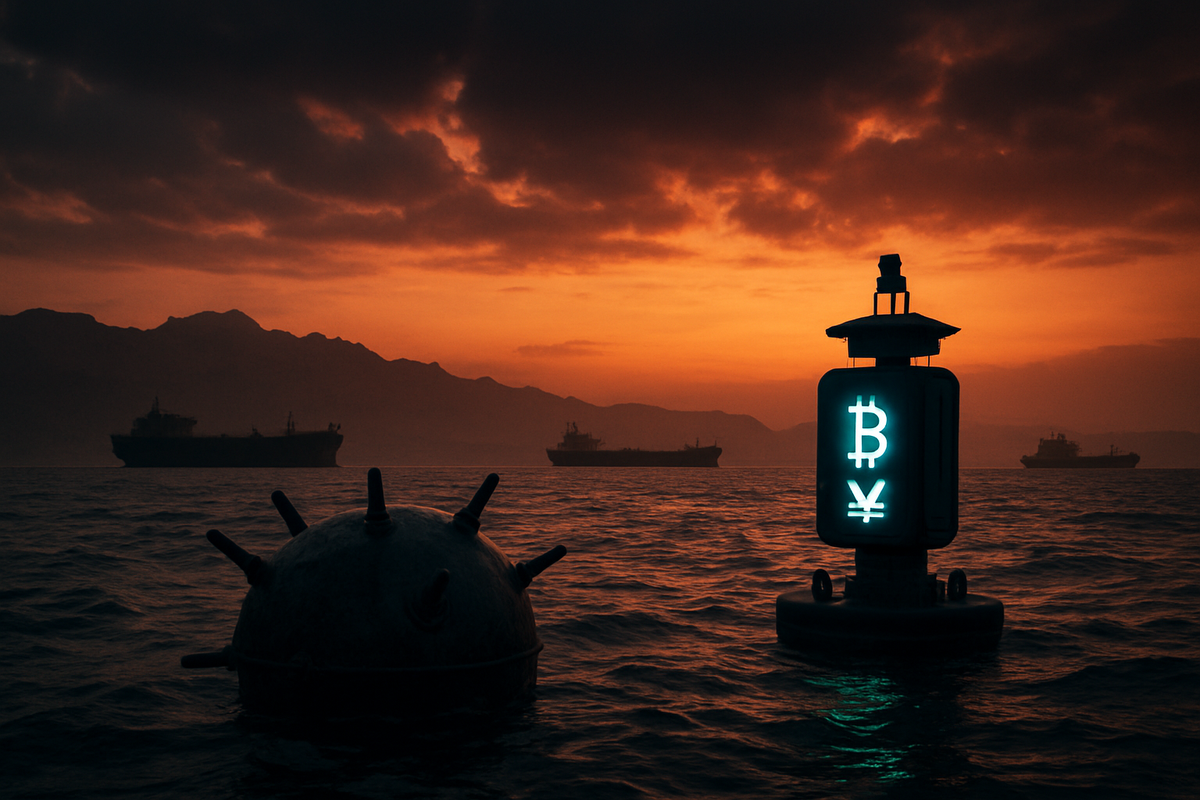
The current crisis traces its roots to February 28, 2026, when escalating regional tensions erupted into open conflict. By March 31, 2026, the Iranian Majlis (Parliament) moved to formalize their control by passing the "Strait of Hormuz Management Plan." This legislation reframes the international strait as a managed technical zone, justifying the collection of "security taxes" as reparations for war damages. Reports indicate a tiered toll system where "hostile" nations—primarily the U.S. and its allies—are denied passage, while "friendly" nations are charged between $1 million and $2 million per vessel. To bypass the Western financial grid, Iran is demanding these payments in Chinese Yuan or digital assets like Bitcoin and USDT.
The legislative threat is backed by lethal force. On March 23, 2026, U.S. naval intelligence confirmed the deployment of Maham 3 and Maham 7 limpet mines throughout the Traffic Separation Scheme. Iranian state media, including ISNA and Tasnim, have since published "danger zone" charts, funneling remaining traffic toward northern routes near Larak Island where IRGC escorts are mandatory. The consequences of defying these zones have been stark; at least 21 merchant vessels, including the Thailand-flagged Mayuree Naree, were damaged or abandoned in the first six weeks of the conflict. This systematic mining has effectively forced insurers to withdraw "war risk" coverage, grounding the fleet of tankers that usually transit the region.
Market Bifurcation: The Winners and Losers of the Blockade
The blockade has created a stark divide in the corporate world, rewarding those with diversified geographic footprints while punishing those dependent on Middle Eastern supply chains. ExxonMobil (NYSE: XOM) and Chevron (NYSE: CVX) have seen their valuations hit multi-year highs as their "safe barrel" assets in the U.S. Permian Basin, Guyana, and Brazil become the most sought-after commodities in the world. Similarly, ConocoPhillips (NYSE: COP) has benefited from its lack of direct exposure to the Gulf, as the premium on Western-produced crude skywards.
Conversely, the "losers" list is headlined by major shipping lines and Gulf-dependent energy giants. Maersk (CPH: MAERSK-B) and Hapag-Lloyd (ETR: HLAG) have been forced to divert vessels around the Cape of Good Hope, adding two weeks to transit times and imposing emergency freight surcharges of up to $3,800 per container. Saudi Aramco (TADAWUL: 2222), despite its massive East-West Pipeline capacity, still faces a shortfall of 15 million barrels per day in export potential. European majors like Shell (NYSE: SHEL) and BP (NYSE: BP) are also under severe pressure, particularly due to their reliance on Qatari LNG, which saw QatarEnergy declare force majeure earlier this month. In the transport sector, Delta Air Lines (NYSE: DAL) and FedEx (NYSE: FDX) are bracing for a combined fuel hit exceeding $3 billion through the end of Q2 2026.
Agflation and the Global Ripple Effect
The significance of the Hormuz chokehold extends far beyond the gas pump. The blockade has halted 30% of global urea (fertilizer) exports, leading to a 60% jump in fertilizer prices across North America and Europe. This "agflation" threatens a global food security crisis that mirrors the 1970s oil shocks, but with a modern, interconnected twist. Unlike the "Tanker War" of the 1980s, the 2026 crisis involves sophisticated anti-access/area-denial (A2/AD) capabilities and a formal legislative attempt to monetize international waters through digital finance.
Regulatory bodies and international maritime organizations are currently at a loss. The Iranian move to use digital currencies and the CIPS payment system to collect tolls effectively renders traditional U.S. Treasury sanctions toothless. This sets a dangerous historical precedent; if Iran successfully monetizes the Strait of Hormuz, other nations controlling strategic maritime "choke points"—such as the Bab el-Mandeb or the Malacca Strait—may feel emboldened to impose similar sovereignty-based tolls, fundamentally altering the nature of global free trade and the Law of the Sea.
Strategic Pivots and the Q2 Outlook
As we look toward the remainder of 2026, the market is closely watching for a potential strategic pivot by the "Quad" and other naval powers. Short-term possibilities include the establishment of heavily armed "tanker convoys," though the threat of sophisticated sea mines makes this a high-risk endeavor. Investors are also monitoring the drawdown of Strategic Petroleum Reserves (SPR) across OECD nations, which currently serves as the only buffer preventing Brent crude from sustaining prices above $150 per barrel.
A potential scenario for late Q2 involves a permanent shift in shipping routes. If the Iranian "toll booth" becomes a long-term fixture, we may see a massive capital reallocation toward pipeline infrastructure and Arctic shipping lanes. Tanker companies like Frontline (NYSE: FRO) and Teekay Tankers (NYSE: TNK) are already seeing a windfall from non-Gulf routes, as Suezmax charter rates reach record levels. The long-term challenge will be the "de-globalization" of energy, where the security of the transport route becomes as valuable as the commodity itself.
Conclusion: A Fragile Equilibrium
The Strait of Hormuz crisis of 2026 is a watershed moment for global markets. The combination of legislative tolling and physical mining has removed 20 million barrels of oil per day from the market, creating a volatility index that hasn't been seen in decades. While the current ceasefire has provided a temporary respite, the underlying geopolitical friction remains unresolved. The Iranian "toll booth" is not just a regional conflict; it is a direct challenge to the post-WWII maritime order.
For investors, the coming months require a focus on energy independence and logistics resilience. Watch for the durability of the April ceasefire and any signs of a coordinated international response to clear the minefields. Moving forward, the market will likely trade on "geopolitical risk premiums" rather than traditional supply-and-demand fundamentals. The Strait of Hormuz has long been a theoretical risk on a spreadsheet; in 2026, it has become a physical and financial reality that will define the economic history of the decade.
This content is intended for informational purposes only and is not financial advice.