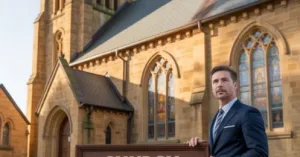
Church insurance is not simply a financial product; it is a vital safeguard for one of your community’s most cherished assets. Whether your congregation gathers in a centuries-old stone building or a modern multi-purpose hall, the risks facing religious properties are real and varied. Specialist church insurance ensures that your building, its contents, your staff, volunteers, and visitors remain protected against unforeseen events that could otherwise devastate both finances and community life.
The various exposures faced by a religious organisation have increased significantly over the last few years, from fire and flood to public liability claims and equipment failure. With the role of the place of worship expanding to include a wide variety of community functions such as food banks, youth programmes, and educational activities, it is no longer an option to have an extensive and detailed policy. The responsibility is one that all church leaders and trustees should take seriously.
What Is Church Insurance and Why Does It Matter?
Church insurance is a special form of ecclesiastical insurance, tailored to the particular needs of religious buildings and the institutions that operate them. A dedicated policy takes into account the specific materials used in the construction of older church buildings; the unique value of the artifacts housed within the church; and the variety of activities that occur on the premises.
Typical policies are not always adequate for religious buildings, especially those with stained glass windows, timber frame roofs, stone masonry or elaborate interior fixtures. A specialist insurer knows what these nuances are and can cover accordingly.
Buildings and Contents Cover
The cornerstone of any policy is protection for the physical structure and its contents. Buildings Cover protects against fire, storm, flood, subsidence, water escape and accidental damage. Reinstatement costs may be significantly greater than those for normal commercial buildings for older ecclesiastical buildings due to specialist craftsmanship and traditional building techniques.
Contents cover items inside the building, such as furniture, audiovisual equipment, musical instruments, vestments and liturgical objects. There are also many congregations that hold artworks or historical artifacts with monetary and cultural value, which can be covered by a specialist policy.
Public Liability Insurance for Churches
As an organisation that opens to the public, you have a responsibility to uphold the safety of those visiting you. Public liability insurance can cover the church for claims made by an injured worshipper, visitor, or third party or property damage. This is a key aspect of cover when too many people are in attendance at services, events and community activities.
A fall on a slippery sidewalk, a broken fixture, or an incident at a community gathering could lead to a big legal liability. The financial and reputational ramifications may be serious if there is no public liability coverage.
Professional Indemnity for Religious Organisations
The more places of worship extend their community services to provide pastoral counselling, debt advice, welfare services or education programs, the more valuable professional indemnity (PI) insurance. A PI policy helps to safeguard your organisation from claims of negligence from professional services or advice rendered on your premises.
This is an important part of your policy, as it should reflect everything that happens in your building and evolve as your community’s work does.
Engineering Inspection Insurance
Churches often have plants and equipment that must be inspected by the Health and Safety Executive (HSE). Lifts, boilers, pressure vessels and electrical installations need to be regularly inspected to meet current legislation.
Engineering inspection insurance supports these statutory inspections and covers the costs in the event of a sudden and unexpected mechanical or electrical breakdown. Failure to comply cannot only expose one to legal liability but also lead to injury and major repair costs.
Trustee and Personal Liability Insurance
The church trustees have individual legal accountability for the church’s governance and financial management. Individual trustees could be held liable for financial loss or legal action if a decision made in good faith results in a loss.
Trustee indemnity insurance, also known as management liability cover, is a type of insurance that protects individuals against financial liability arising from such claims, enabling them to serve the congregation with confidence.
Types of Places of Worship That Can Be Covered
Churches are offered bespoke policies by specialist insurers for a variety of buildings and faith communities throughout the United Kingdom. These include:
- Church insurance for Anglican, Catholic, Baptist, Methodist, and other Christian denominations
- Also, insurance for the Masjids to protect the Muslim community.
- Gurdwara insurance for Sikh temples
- The insurance for a Hindu temple (Mandir)
- Synagogue insurance for Jewish congregations
The requirements of each faith community are unique and a knowledgeable broker will design a policy that has the specific activities, artifacts, and governance that are relevant to each faith.
How to Choose the Right Church Insurance Policy
Choosing the right policy isn’t just about premium costs. Here are some considerations to take into account:
- The age, construction, and listed status of the building
- The full range of activities conducted on the premises
- The number of paid staff and volunteers
- The value of the contents, including specialist items and artworks
- Whether the building is used by external hirers or community groups
- Any outstanding compliance obligations relating to plant or equipment
Final Thoughts: Protecting Your Congregation and Your Community
Church insurance is more than just a cover for the building. It helps to ensure the ongoing nature of worship, the well-being of your congregation and the confidence of your community in your organisation. With so many activities that religious buildings now host, from charitable work and mental health services to cultural activities and education, it is a continuing responsibility to ensure your cover keeps pace with your mission.
Talk to an expert ecclesiastical policy provider who has a proven history in the ecclesiastical field, and ask plenty of questions about any exclusions, as well as reviewing your policy annually to ensure it meets your needs.