Trading the Forex markets is one of the most accessible activities as a professional in the industry. You can take advantage of short-term opportunities due to the vastness of the market, benefit from unique liquidity and actionable prices, and operate with the certainty of a low risk of manipulation.
However, there are several aspects that affect the Forex markets, so you must be connected to the news before making a decision. Factors like the economic data of a country offer insight into the position of the national currency and the political stability of a nation, in addition to the supply and demand that matter considerably before a trade, so keeping all these in mind while trying to prioritize productivity can be difficult.
If you are overwhelmed, you need to use a Forex broker and work around one of the most important aspects of this market: leverage. Let’s learn more about it.
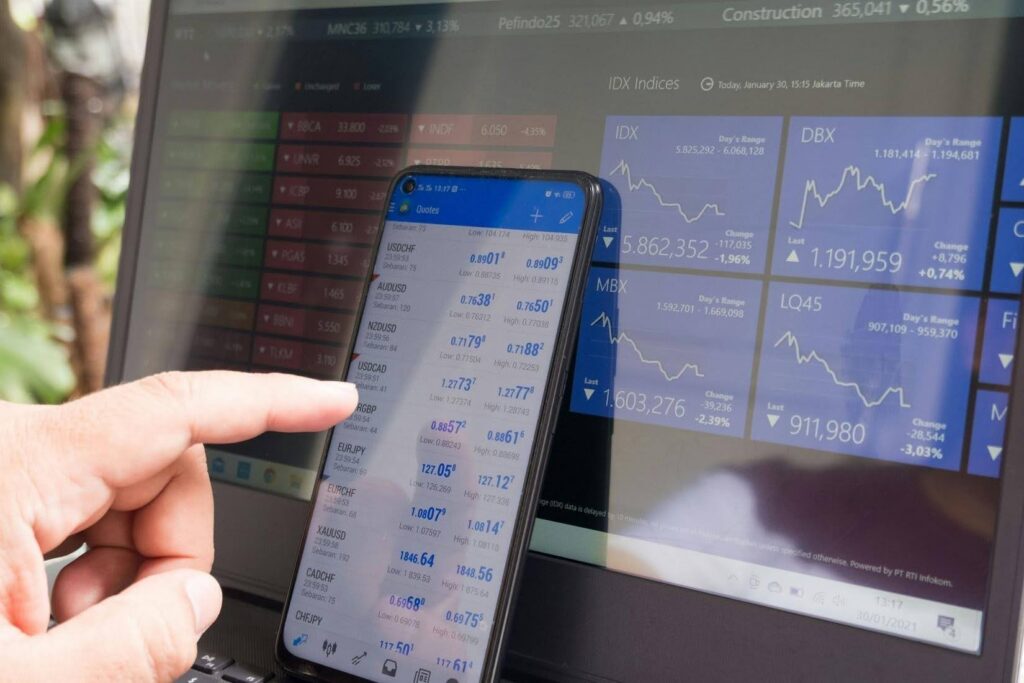
Image source: Unsplash
What’s the deal with leverage?
In Forex, leverage helps you gain market exposure and access to more assets with a smaller amount of capital, which is the margin. In other words, you borrow exposure and can work with a larger position, while the profit loss is calculated on the size of the entire position.
Therefore, margin is different from leverage. The margin acts as collateral and amounts to the actual money you deposit, while the leverage is the ratio between the position and the margin, and they have an interesting economic relationship. When you find lower margin requirements, the leverage will be higher, and high leverage equals lower leverage, but this entails smaller market movements.
High leverage and low leverage
You can choose between high leverage and low leverage trading according to your risk tolerance. When you opt for high leverage, you can benefit from a large position with small investments, but it can come with risks if you don’t have any investment goals or a market strategy. At the same time, low leverage allows you to minimize risks, but profits will also be significantly lower.
Working with high leverage seems scary, but it comes with benefits like capital efficiency and also more flexibility in position sizing. For example, you can open multiple smaller positions with the same margin, which can have a lower capital requirement. Moreover, this type of leverage is better for hedging, so you may consider using a high leverage forex broker as a scalper or a trader who works with high volume trades.
Learn to manage risks
Like any other market you trade, working with Forex assets comes with losses, but any professional knows that accepting them is normal as long as you can manage their size. For example, you should use stop-loss orders to automatically close a position if market movements are against your predetermined values.
Another useful method is to limit position sizes. This means you should calculate it based on where you place the stop-loss, or simply make sure to risk no more than 1-2% of the total account. So, you don’t rely only on the maximum leverage but also try to maintain adequate margins to ensure a buffer against margin calls.
But most importantly, understand you’re working with Forex instruments, and this means accepting that volatility happens and losing is part of the process. Never try to chase losses away, as one single unsuccessful trade will not affect your future trajectory.
How to choose a broker for high leverage trading
Working with a broker tool is essential when you’re trading for high leverage, because you can access helpful strategies and instruments in one place. First, make sure you check their reputation before taking in any leverage. Your ideal broker must be regulated and recognized by their respective authorities, which ensures they’re going through regular audits and complaint resolution mechanisms.
Watch out for the spreads the broker provides, because you want to choose those with tight spreads that have less than one pip on major currencies. When you see three or more, it’s time to reconsider. Another aspect to check out includes the margin call and stop-out policies, which are most necessary when you trade with high leverage. If the broker closes your position at 20%, it might be that losses are potentially bigger than expected.
Some usual leverage tiers you need to know
As mentioned before, brokers will be regulated by different authorities according to the country they’re operating in, but that means they have various cap leverage amounts. For example, in the EU and UK, the European Securities and Markets Authority has a 1:30 cap for major pairs and 1:20 on minor ones, which is supposed to help inexperienced traders start working in this sector, but expert traders are free to access higher leverage.
On the other hand, the common global standard sits at 1:100, which is usually a reasonable starting point that offers you both flexibility and safety. But there are places where the minimum is 1:200, which is common among professionals because the margin requirement IS 0.5%, while the maximum you will see brokers offer is 1:500.
Be wary of how you handle losses
The way traders navigate considerable losses is less talked about, but it is so important when emotional decision-making is the main driver of bad decisions. Experiencing a financial loss is challenging because you tend to panic about the volatility spikes and sell at the worst moment in the market, which may lead to overnight financial costs. You should also learn more about margin calls, which happen when your account equity is lower than the required maintenance margin, attracting additional funds.
Conclusion
When you decide you want to trade Forex instruments, you must understand the cost you’re paying for when choosing between high leverage and low leverage. If you are just starting, it might be best to choose low leverage, which will help you gain a small profit but will keep you within safer lines. On the other hand, as you grow and learn to handle losses and risks, as well as accept them, it’s ideal to work with high leverage from an established broker to take advantage of all the benefits as a professional trader.