Intermountain Children’s Health Launches the Nation’s Largest Pediatric Telestroke Network to Reduce Debilitating and Deadly Effects of Strokes in Children
(PRUnderground) February 19th, 2026
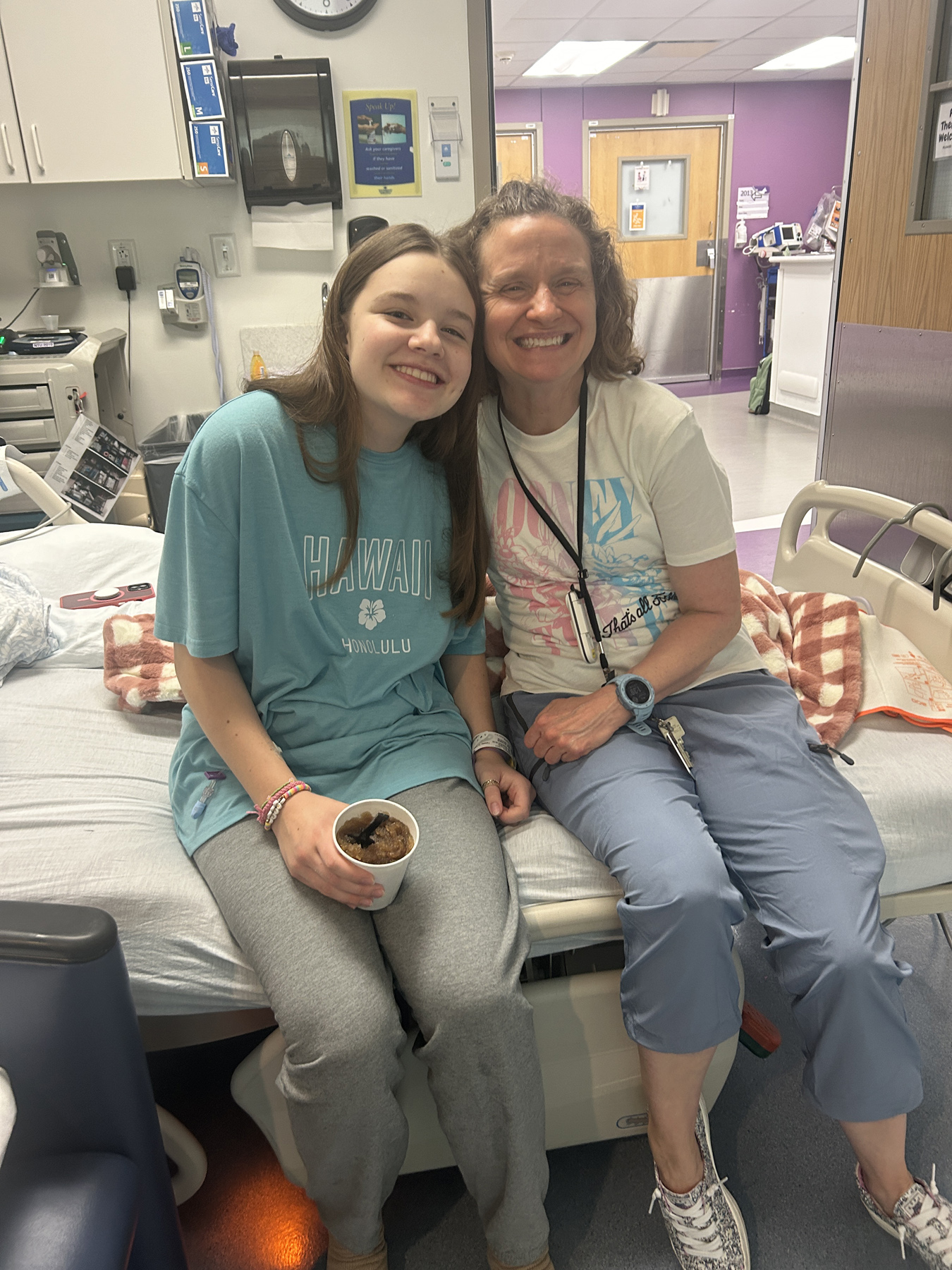
Pediatric stroke experts are now available for children in Utah and southern Idaho suffering from stroke via Intermountain Children’s Health’s virtual stroke network – the largest, most robust in the country – and get the rapid, lifesaving diagnoses they need close to home.
The Intermountain Children’s Health Pediatric Telestroke network gives families access to a pediatric stroke expert at Intermountain Primary Children’s Hospital in partnership with University of Utah Health’s Department of Pediatrics, at a time when every second counts.
Telestroke access is available to kids at any one of Intermountain Health’s 24 hospitals in Utah and Idaho.
“Kids have strokes too,” said Lisa Pabst, MD, pediatric neurologist and stroke expert at University of Utah Health and Intermountain Primary Children’s Hospital. “But often diagnosis is delayed, or kids get a misdiagnosis, because stroke presents differently in kids than it does in adults. It’s important for emergency rooms to know the signs, and take fast action to save a child’s future mobility and possibly, their life.”
Stroke is caused when blood flow in the brain is blocked, causing parts of the brain to be deprived of oxygen and start to die.
With stroke, the faster the diagnosis and treatment, the better the outcome. This is true for patients of all ages, including infants.
But kids having strokes rarely get the rapid response they need, and have disproportionate rates of disability and death due to stroke.
That’s because stroke is less common in children, and the symptoms look different than they do in adults. Kids having a stroke may have face-drooping, arm weakness, slurred speech or difficulty speaking or understanding speech, vision problems, and confusion – also common symptoms of adult stroke. But infants and toddlers having a stroke may also appear unresponsive or extremely sleepy, have a seizure, or use only half their bodies. Older children may experience dizziness or sudden, severe headaches and vomiting.
That’s what happened to Lucy Merrell, now a high school sophomore and stroke survivor.
In the spring of Lucy’s eighth-grade year, she was gearing up for a two-hour soccer practice when she got a splitting headache. Lying down didn’t help.
“I didn’t know what to do, and immediately had a thought in my head to go and find mom,” said Lucy, who lives in American Fork. “I was going down the hall and trying to hold on. I was trying to speak, but couldn’t think of the words. I knew what I wanted to say, but it wouldn’t come out.”
Lucy’s mom Melanie at first thought Lucy was teasing because she didn’t want to go to practice. She quickly realized it was no joke.
“Lucy sat on the floor, and then couldn’t pull herself up to the couch. I noticed one side of her face was droopy,” Melanie said. “I’m thinking, why am I seeing signs of stroke in her? Kids don’t have strokes.”
Lucy’s family took her to a local emergency room, where her dad encouraged a doctor to call Intermountain Primary Children’s Hospital. There, the pediatric neurology team guided the doctor through an exam, ordered at CT scan and MRI, and diagnosed Lucy with ischemic stroke, which is a critical reduction in blood flow to the brain.
Lucy was rushed by ambulance to Primary Children’s Hospital in Salt Lake City where Craig Kilburg, MD, a board certified endovascular and open vascular neurosurgeon at University of Utah Health and Intermountain Primary Children’s Hospital, removed two blood clots from her brain.
While recovering in the hospital a few days later, Lucy suffered another stroke. The part of her brain affected by the stroke had briefly worsened, because the vessel supplying blood to it was irritated, Dr. Pabst said. Bed rest, fluids, and medications helped stabilize blood flow and gave the blood vessel time to recover.
While classmates were completing the school year, Lucy focused on physical, occupational and speech therapies.
A few months later, Lucy was able to join her classmates on the first day of high school. She took honors classes, and earned all A’s.
The accomplishment was nothing short of a miracle – one of many her parents say they experienced.
“To see how big the stroke was on the MRI, and have it be where she doesn’t exhibit any symptoms of it, that is a miracle,” said Lucy’s dad Randy, also expressing gratitude for the expertise of Drs. Pabst and Kilburg.
Lucy’s April 2024 stroke happened shortly before Intermountain Children’s Health’s Telestroke rollout. Luckily, the local doctor’s phone call to Dr. Pabst’s team prevented what could have been a tragedy.
“The new Intermountain Children’s Health virtual network of care gives patients access to the highest quality of care from experts at Intermountain Primary Children’s Hospital, regardless of where they live within the network,” said Amy Back, RN, Director of Pediatric Telehealth Services for Intermountain Children’s Health. “This will help improve kids’ health outcomes and lower costs to families. Plus, it’s the right thing to do.”
The Intermountain Children’s Health Telestroke network promises to help kids like Lucy access the same expertise from any of Intermountain Health’s 24 hospitals in Utah or southern Idaho. Here’s how it works:
Emergency room caregivers use Telestroke to connect to Dr. Pabst and her team at Intermountain Primary Children’s Hospital in Salt Lake City.
- Primary Children’s stroke experts see the child through video conferencing and ask questions. They work with the local team to run diagnostics, which may include asking the child to respond to commands like lifting one arm or kicking one leg.
- The physicians in both locations determine next steps for treatment with the goal of restoring blood flow to the brain. This may include having the child lie flat, administering IV fluids and/or blood-thinning medications, or in more severe cases, transferring the child to Primary Children’s Hospital for ongoing care, which may include surgery.
To be successful, the pediatric Telestroke network required collaboration, education, and training with each of the 24 hospitals’ emergency physicians and caregivers working in related areas, including stroke coordinators, Dr. Pabst said.
During its phase-in year, the Telestroke network helped 19 children. Dr. Pabst says the number may rise through 2026 because it is now fully implemented in Intermountain Health’s Utah and Idaho hospitals – and expansion is currently underway, made possible by support from Intermountain Foundation.
In the future, Intermountain Children’s Health leaders want to expand Telestroke access to other Intermountain care sites in Nevada, Colorado, Montana, and Wyoming to help even more kids like Lucy.
Today, Lucy likes to do arts and crafts, design sweatshirts, and bake triple chocolate chunk cookies. She loves to sing, and just returned from New York City where she and her school choir group performed at Carnegie Hall. She enjoys working at a local restaurant – her first job – driving, and being with family and friends.
On the April 8 anniversary of her stroke, she and her family want to prepare meals for other families at the hospital’s Ronald McDonald Family Room, where they were helped. They also plan to continue taking part in the American Heart Association’s annual Utah Heart and Stroke Walk, which has been humbling for Lucy. Her premiere walk team included Dr. Pabst and her care team, family, friends, and two child stroke survivors who at the time used wheelchairs.
“I was the only stroke survivor who could walk,” she said of her first Stroke Walk. “It was hard to see the other kids in wheelchairs, but I know they will all heal because I was healed.”
About Intermountain Health
Headquartered in Utah with locations in six states and additional operations across the western U.S., Intermountain Health is a nonprofit system of 34 hospitals, approximately 400 clinics, medical groups with some 4,600 employed physicians and advanced care providers, a nonprofit health plan called Select Health with more than one million members, and other health services. Helping people live the healthiest lives possible, Intermountain is committed to improving community health and is widely recognized as a leader in transforming healthcare by using evidence-based best practices to consistently deliver high-quality outcomes at sustainable costs. For up-to-date information and announcements, please see the Intermountain Health newsroom at https://news.intermountainhealth.org/. For more information, see intermountainhealth.org/ or call 801-442-2000.
The post The Nation’s Largest Pediatric Telestroke Network Launched by Intermountain Children’s Health first appeared on
Original Press Release.