When the Hammer Falls on the Wrong Car
You find the listing at 11 p.m. A used car with decent photos, a price that feels like a gift and a countdown timer showing four hours left. You bid. You win. The wire transfer clears. Three days later the car arrives and the check engine light greets you at the curb. The mechanic at the repair shop pulls the codes and the number on the estimate hits like a gut punch. You just learned what that mistake actually costs — and the auction platform already moved on to the next lot.
Online car auctions draw millions of buyers every year. The appeal is real: wide inventory, transparent bidding, and the chance to find a used vehicle below retail price. A Better Bid at abetter.bid is one such platform, offering direct access to thousands of damaged, repairable, and used salage cars — no dealer license required. Buyers can browse by make, body style, damage type, and state. The catalog includes clean-title vehicles, repossessed cars, theft-recovery lots, and more. That range creates opportunity. It also creates risk for anyone who bids without checking first.

The Real Cost of a Bad Auction Win
Here is the question most auction buyers skip: what happens if a used car is a lemon? The answer is expensive and often slow. Consider a buyer who wins a $7,500 lot at auction with undisclosed accident damage. Within 60 days, potential problems compound:
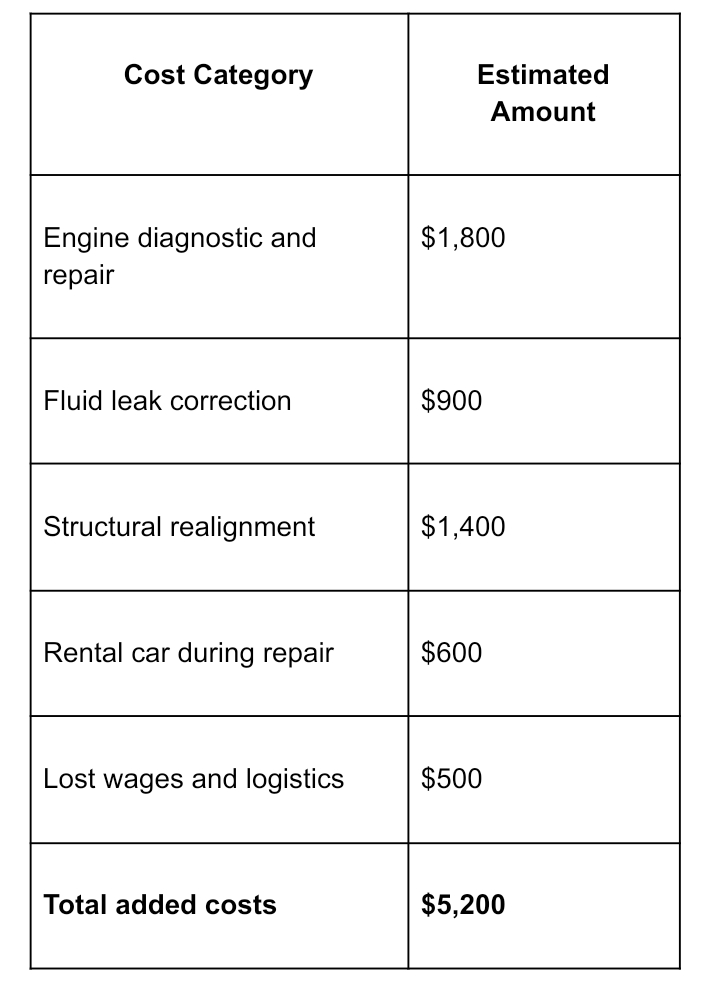
Damage rarely announces itself before bidding closes. Previous damage hides under fresh paint. Body filler fills a dent without fixing the frame beneath it. Mismatched body panels are a telltale sign of hard collision history the listing never disclosed. These physical signs that the vehicle was hit hard cost nothing to look for — but they require knowing what to look at.
What Makes a Car a Lemon?
Not every unreliable car qualifies as a lemon under the law. A lemon car specifically carries a substantial defect that impairs its use, value or car's safety — one the dealer or manufacturer failed to repair after a reasonable number of attempts. Lemon law protection covers buyers in every state, though terms differ widely. State lemon statutes are narrower than rules tied to a new car purchase and most cover new vehicle protections only. Coverage often depends on whether the car came from a dealership or from a private seller.
When a vehicle is being sold "as is," the dealer makes no guarantees. That means no guarantees as to the condition of the vehicle and no implied promise that the engine runs clean tomorrow. The Federal Trade Commission requires that dealers post a buyer's guide on every used car sold through a licensed lot. This document informs the customer if the vehicle has a warranty from the manufacturer or if the seller will not stand behind anything. There are other auctioned vehicles that don't have warranties as well. These facts will affect all other decisions throughout the process of bidding.
Five Checks That Reduce the Risk at Auction
Auction bidding moves fast. Preparation moves faster. Before placing any bid on a used car, run through these five checks:
- Run a search on Carfax or vehiclehistory.gov. Look for odometer fraud, past fire events and collision history. A single flagged entry changes the calculus entirely.
- Check the vehicle identification number on the listing against the sales contract. A mismatched VIN signals potential fraud. This check takes under one minute.
- If the auction allows pre-auction inspection, hire a mechanic from a shop that routinely does automotive diagnostic work on that model. An expert eye on the mechanical and electrical systems catches what photos cannot show.
- Inspect the parts of the car visible in listing images: look for misaligned gaps or paint overspray near panel seams.
- Review car warranties before bidding on any lot that carries remaining coverage. Ask whether the car is still covered by the manufacturer's warranty. If it has lapsed, weigh whether an extended warranty makes financial sense.
Auctions, Private Sales and Your Legal Options
Buying a car from a dealer inside a licensed dealership gives buyers stronger standing than buying at auction or from a private seller. Dealerships must meet disclosure requirements that individual sellers do not face. That gap in consumer protection matters when something goes wrong.
When a used car is a lemon and an implied warranty applies under state law, the buyer has a path through arbitration to resolve disputes before filing a lawsuit. A local consumer protection agency can direct buyers to the right program and explain what used car lemon laws cover. Check if a used car with high mileage qualifies — the vehicle has very high mileage in many cases where statutes draw a hard cutoff line. Ask the seller directly about repair history when pre-auction contact is possible. Someone who deflects that question tells you something through the silence.
Consumer reports on lemon disputes show one consistent finding: buyers who know your rights before signing save money and time. Those who discover those rights afterward pay for the lesson twice.
The Moment Optimism Becomes a Liability
Auction adrenaline is real. The countdown timer, the competing bids and the sense of winning create pressure that short-circuits careful thinking. Financial loss from a bad used car purchase almost never comes from pure bad luck. It follows skipped steps: no vehicle history report pulled, no inspection done, no attempt to negotiate on a disclosed defect. The buyer wanted the deal to be clean, so they treated it as clean.
The fix is structure. Before you buy a used car at any auction, run the same checklist every time regardless of price or how clean the photos look. Peace of mind in a used-car transaction comes from that discipline — not from the listing description.
Conclusion
The financial risk tied to a defective vehicle is concrete. It arrives in repair invoices, tow fees and the frustration of owning a car that cannot be trusted. Before you buy a vehicle at auction, from a dealership or through any private sale — pull the history, check the structure, confirm warranty coverage and understand what legal protections your state provides. The difference between a smart used car purchase and an expensive lesson almost always comes down to the checks done before the hammer dropped.
FAQ
Does lemon law apply to cars bought at online auction? Most state lemon statutes cover vehicles sold with a written warranty. Cars sold strictly "as is" at auction typically fall outside that protection. The scope depends on your state and whether the seller is a licensed dealer or a private party.
Can an auction platform be held responsible if the car turns out to be defective?Traditionally, auction sites are set up to be middlemen and have no liability regarding the condition of the vehicle you are attempting to purchase. You can usually return items to the seller; however, you need to follow the auction site's terms. Therefore, review these before placing a bid, as they will determine the recourse you may have on the sale.
What does "salvage title" mean for lemon law claims? A salvage title indicates the vehicle was declared a total loss by an insurer. Many states exclude salvage-title vehicles from coverage under lemon statutes entirely. A used vehicle with a salvage title carries higher financial risk and typically cannot be covered under any factory warranty.
Is it worth hiring an independent mechanic before bidding at auction? Yes — when the platform allows pre-auction access. A qualified mechanic on the target model will identify worn components, signs of prior repairs and fluid leaks that photos never capture. The inspection fee is a fraction of one repair bill.
How do you check if a used car sold at auction has hidden flood damage? Obtain a copy of the vehicle's history report to see if there have been any total loss or flood damage claims on file. Inspect under carpets and the underside of dashboard for water intrusion with evidence of rust, sediment lines and/or musty odor. Flood damaged vehicles can be very hard to identify and have a high cost of ownership.