Plastic has become an essential part of modern life, used in everything from packaging and electronics to construction and healthcare. Yet with its widespread use comes a growing challenge: how to manage and recycle plastic waste effectively. As environmental concerns continue to rise, industries around the world are under increasing pressure to find practical solutions that reduce waste while maintaining economic efficiency.
One of the most significant developments in this area is the advancement of recycling technologies that transform discarded plastics into reusable materials. Among these technologies, granulation plays a key role in bridging the gap between waste collection and material reuse.
The Challenge of Managing Plastic Waste
Over the past few decades, global plastic consumption has increased dramatically. While recycling efforts have improved in many regions, a large portion of plastic waste still ends up in landfills or the natural environment. One of the main obstacles is the complexity of processing used plastics, which often vary in composition, size, and level of contamination.
Efficient recycling requires multiple stages, including sorting, cleaning, shredding, and reprocessing. Each step must be carefully controlled to ensure that the final material can be reused in manufacturing. Without reliable processing systems, recycled plastic may not meet the quality standards required for industrial applications.
From Waste to Raw Material: How Granulation Works
Granulation is a critical step in the recycling process. After plastics are collected, sorted, and cleaned, they are typically reduced into smaller pieces through shredding or crushing. These fragments then need to be converted into uniform particles that can be easily transported, stored, and reused.
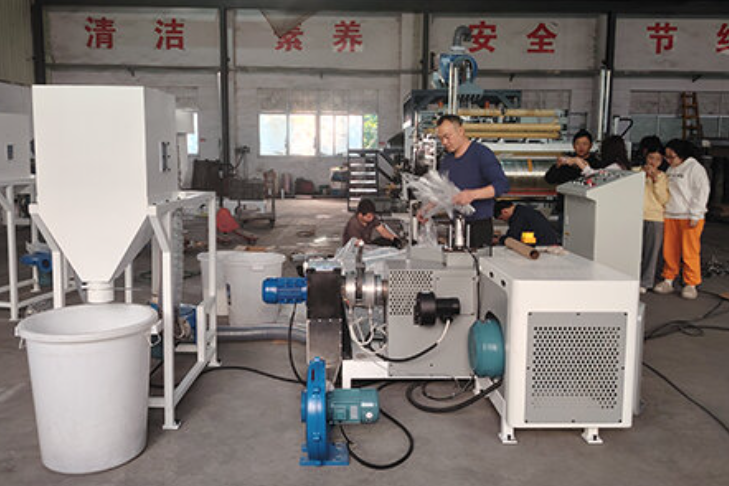
This is where the plastic granulator machine becomes essential. It processes plastic waste into consistent granules, creating a standardized form of material that manufacturers can use as a substitute for virgin plastic. By transforming irregular waste into uniform pellets, granulation improves both the efficiency and the reliability of recycling operations.
Modern recycling facilities rely on plastic granulator machine technology to ensure that processed materials meet quality requirements for various industrial applications.
Supporting a Circular Approach to Manufacturing
As industries shift toward more sustainable practices, the concept of a circular economy has gained increasing attention. Instead of treating plastic as a single-use material, manufacturers are exploring ways to reuse and repurpose it throughout multiple production cycles.
Granulated plastic plays a key role in this transition. Once processed into pellets, recycled material can be reintroduced into manufacturing processes, reducing the need for new raw materials. This not only helps conserve resources but also lowers production costs and reduces environmental impact.
In sectors such as packaging, automotive components, and consumer goods, the use of recycled plastic is becoming more common. Reliable granulation systems help ensure that recycled materials maintain consistent quality, making them a viable alternative to newly produced plastics.
Technology Advancements Driving Efficiency
Advances in industrial equipment have significantly improved the efficiency of plastic recycling processes. Modern granulation systems are designed to handle a wide range of plastic types, including rigid plastics, films, and post-consumer waste.
Improved cutting mechanisms, optimized rotor designs, and better energy efficiency have made it possible to process materials more effectively while reducing operational costs. In addition, many systems now incorporate automated controls that help maintain consistent output and reduce the need for manual adjustments.
These developments are particularly important as recycling volumes continue to grow. Facilities that process large quantities of plastic waste require equipment that can operate reliably over long periods while maintaining stable performance.
The Broader Impact on Sustainability
Beyond industrial efficiency, the impact of granulation technology extends to environmental sustainability. By converting plastic waste into reusable material, recycling systems help reduce the volume of waste entering landfills and oceans.
At the same time, using recycled plastic in manufacturing reduces the demand for fossil fuel-based raw materials. This contributes to lower carbon emissions and supports global efforts to address climate change.
As governments and organizations continue to introduce stricter environmental regulations, the importance of efficient recycling infrastructure is expected to increase. Technologies that support material recovery and reuse will play a central role in shaping the future of sustainable manufacturing.
Conclusion
Plastic waste remains one of the most pressing environmental challenges of our time, but it also presents an opportunity for innovation. By transforming discarded materials into valuable resources, recycling technologies are helping industries move toward more sustainable production models.
Granulation, as a key stage in the recycling process, enables this transformation by turning irregular plastic waste into consistent, reusable material. As demand for recycled plastics continues to grow, the role of advanced processing equipment will become even more significant in supporting both industrial efficiency and environmental responsibility.
Additional insights into industrial recycling and processing technologies can be found at https://www.wintechmc.com/