1 in 3 women will die from heart disease. That is more than all forms of cancer combined. Yet surveys show most women do not know it, and even fewer recognize the symptoms, risk factors, or how to advocate for themselves in the doctor’s office.
For many people, the image of a heart attack is clear: sudden chest pain, someone clutching their chest, and an obvious emergency.
But for many women, heart attacks rarely appear that way.
Instead of dramatic chest pain, symptoms can be subtle and easily mistaken for fatigue, stress, or indigestion. According to cardiologist Dr. Arash Bereliani, this misunderstanding is one of the reasons heart disease remains the leading cause of death among women.
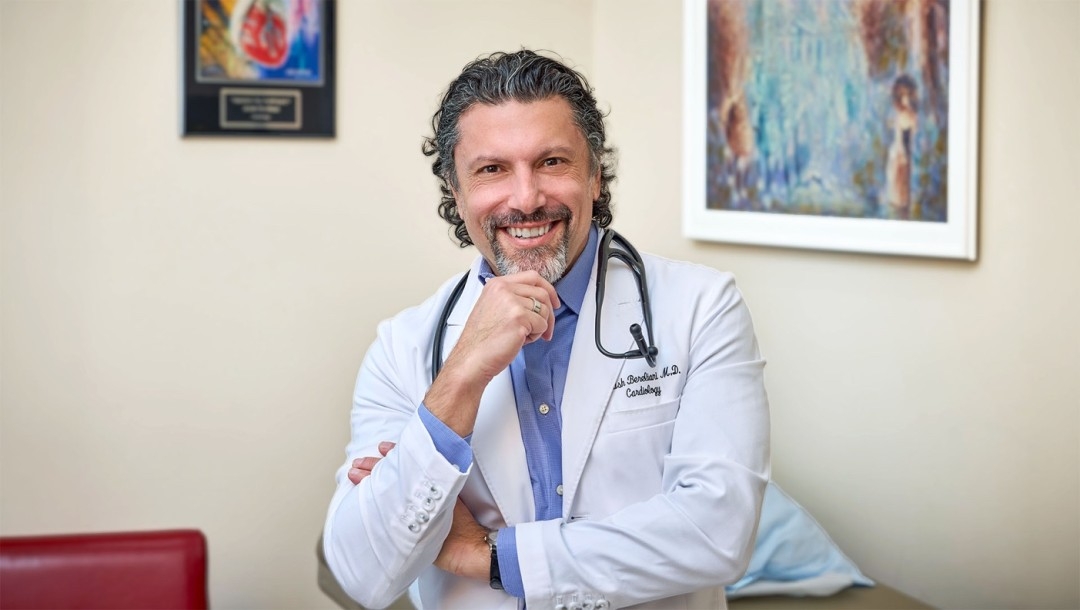
“Women often expect a heart attack to feel sudden and severe,” Dr. Bereliani explains. “In reality, many women experience symptoms that are quieter and easier to overlook.”
Because of this, many women delay seeking care when early warning signs appear.
Why Heart Attacks in Women Are Frequently Overlooked
One major reason lies in the history of cardiovascular research.
For years, studies that shaped how doctors diagnose heart disease focused largely on men. As a result, the “typical” heart attack, severe chest pain from a major blockage, reflects patterns most commonly seen in men.
Women’s cardiovascular disease often develops differently.
Symptoms may be less dramatic and may not immediately signal a heart emergency to patients or even providers. As awareness grows, cardiologists are working to better recognize these differences.
“Medicine became very good at identifying the typical male-style heart attack,” says Dr. Bereliani. “But women’s symptoms can follow a different pattern.”
Heart Attack Symptoms Women May Not Recognize
While chest discomfort can still occur, many women experience additional symptoms that may not seem heart-related at first.
Common warning signs include:
- Unusual or sudden fatigue
- Shortness of breath
- Nausea or stomach discomfort
- Dizziness or lightheadedness
- Pain in the jaw, neck, shoulders, or upper back
- Pressure or tightness in the chest
Because these symptoms can resemble stress, anxiety, or digestive issues, they are often dismissed early on.
“Many women assume they are simply tired or not feeling well,” Dr. Bereliani says. “But sometimes those symptoms mean the heart is not receiving enough blood.”
Not Every Heart Attack Looks the Same
Media often portray heart attacks as sudden and dramatic.
In reality, many develop gradually.
Some occur when blood flow is reduced rather than fully blocked. These may cause fatigue, nausea, or shortness of breath instead of intense chest pain. Others may happen with little or no chest discomfort at all, especially in women.
Because these signs do not match the common image of a heart attack, they can go unrecognized.
Why Early Recognition Matters
When blood flow to the heart is restricted, timing is critical.
Delays in recognizing symptoms can increase damage to the heart muscle. Research shows women are sometimes diagnosed later than men, partly because their symptoms may not appear typical.
“Listening to your body is extremely important,” says Dr. Bereliani. “If something feels unusual, it is safer to get evaluated.”
When to Seek Immediate Medical Attention
Doctors recommend taking potential heart symptoms seriously, especially if they are sudden or feel different from normal health.
Seek urgent care if experiencing:
- Chest pressure or discomfort that does not go away
- Sudden shortness of breath
- Nausea with fatigue or dizziness
- Pain spreading to the jaw, neck, arm, or back
If symptoms last more than a few minutes or return repeatedly, call emergency services immediately. Quick treatment can significantly reduce long-term damage.
A Growing Focus on Women’s Cardiovascular Health
In recent years, there has been increasing attention on how heart disease affects women differently.
Factors like hormones, blood vessel size, inflammation, and genetics all play a role in how symptoms appear and how disease develops. These insights are helping reshape prevention and diagnosis.
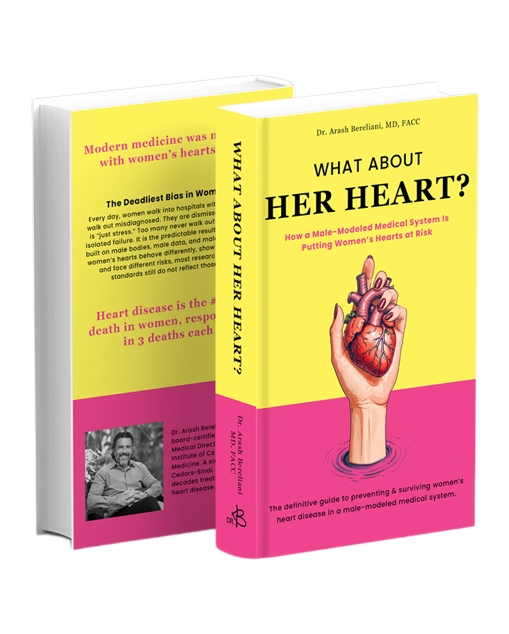
Dr. Bereliani explores these topics further in his upcoming book called “What About Her Heart” on women’s cardiovascular health, highlighting overlooked warning signs and risk factors many women are unaware of.
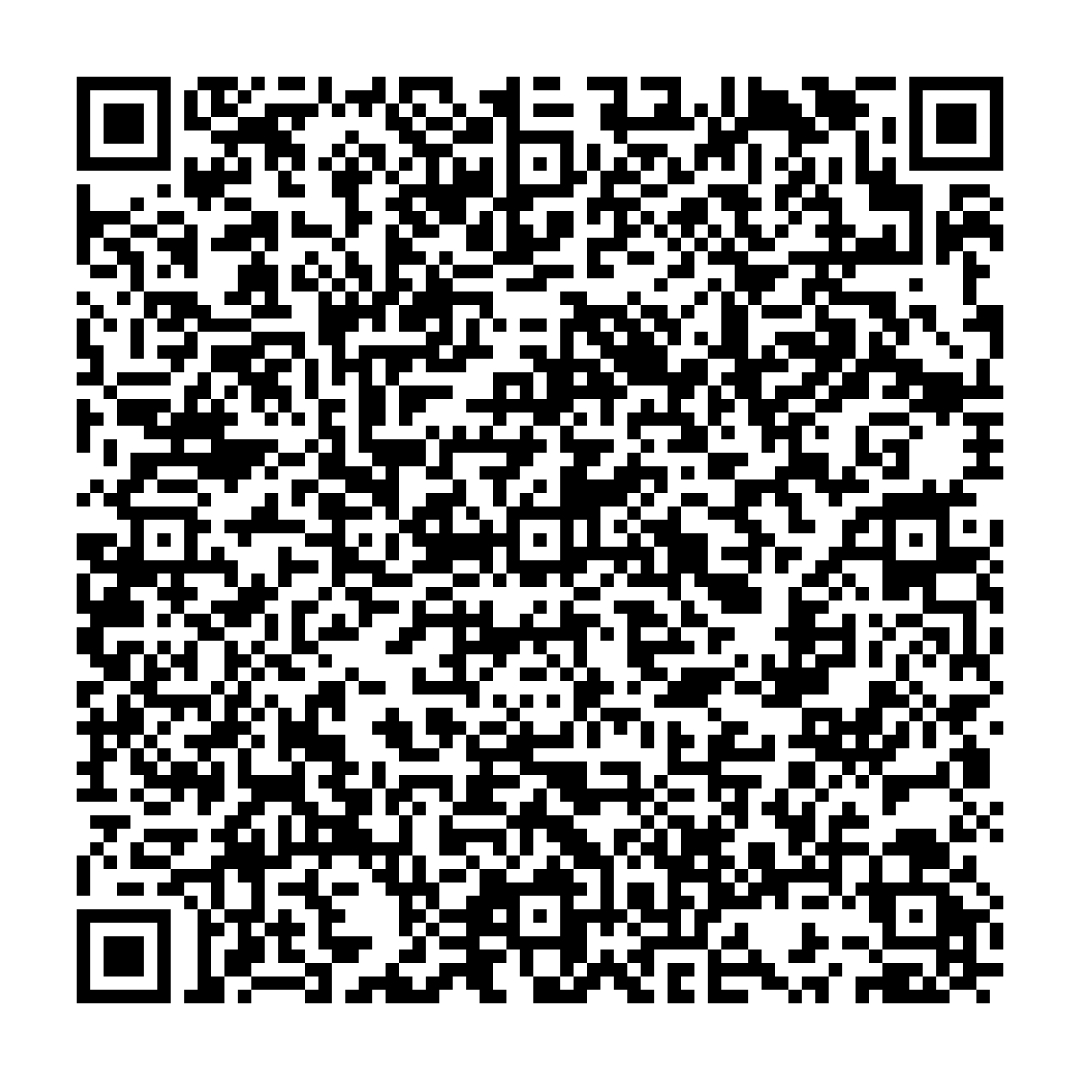
The book is currently available for preorder on Amazon. Below is also the QR code:

About Dr. Arash Bereliani
Dr. Arash Bereliani, MD, FACC, is a board-certified cardiologist and Medical Director of the Beverly Hills Institute of Cardiology and Preventive Medicine. He served as a Clinical Associate Professor of Medicine and Cardiology at UCLA’s Geffen School of Medicine and is on staff at Cedars-Sinai Medical Center. His work focuses on preventive cardiology and identifying overlooked cardiovascular risks in women.
Media Contact
Company Name: Dr. Arash Bereliani
Contact Person: Arash Bereliani
Email: Send Email
Country: United States
Website: https://www.drbereliani.com/