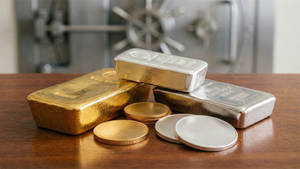
Markets rarely move in straight lines, and even careful plans can feel exposed when headlines change quickly. For that reason, many investors still keep precious metals in mind alongside stocks and bonds.
Gold often sits at the center because it is viewed as a store of value during economic uncertainty. Demand can rise when market volatility makes paper gains feel less dependable. Silver sometimes follows similar sentiment, yet it also responds to industrial cycles and liquidity needs. That mix can make its price path look different from gold during the same period.
Platinum and palladium tend to reflect manufacturing demand more directly, which can add a separate return driver. In a diversified allocation, those differences may help avoid relying on a single macro narrative.
The broader case is portfolio diversification, especially when traditional equities and credit move together. These metals have shown low correlation with stocks at times, which may reduce the severity of portfolio drawdowns.
They are also discussed as an inflation hedge when investors worry about purchasing power over multi-year horizons.
During geopolitical risk events, physical bullion can act as a safe haven, and references like Monex.com can help frame due diligence for newcomers and veterans alike.
Why Precious Metals Still Matter for Portfolio Balance
Gold, silver, platinum, and palladium each serve distinct roles in modern portfolios. While gold tends to attract attention during periods of economic uncertainty, the other metals bring their own characteristics that can complement a broader investment strategy.
The low correlation with traditional equities makes metals effective diversifiers. When stock markets decline sharply, precious metals have historically held their value or even appreciated, providing a counterbalance that can smooth overall portfolio returns.
Beyond diversification, precious metals function as a store of value during market volatility. Unlike paper assets that depend on issuer creditworthiness, physical metals carry no counterparty risk. This quality becomes particularly relevant during banking crises or currency instability.
The safe haven status of precious metals tends to emerge most clearly during geopolitical risk events. Investors often rotate into gold and silver when international tensions rise, trade disputes escalate, or political uncertainty clouds economic forecasts.
However, it is worth noting that safe haven behavior is not guaranteed in every crisis. The specific nature of market stress, liquidity conditions, and investor positioning all influence how metals respond in real time.
Investment Vehicles: Physical Metals, ETFs, and Beyond
Investors can access precious metals through several distinct channels, each with its own trade-offs regarding ownership, liquidity, and costs.
Physical Bullion and IRAs
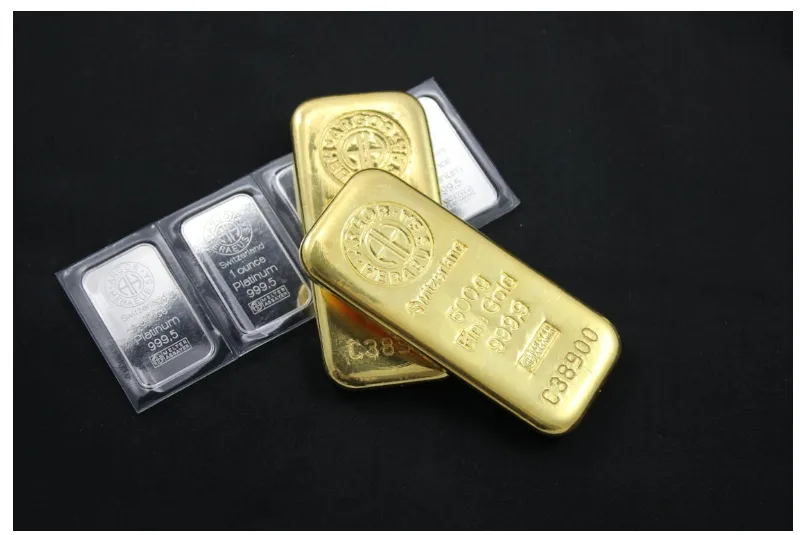
Buying bullion gives direct exposure through coins or bars, and ownership is straightforward. The trade-off is logistics: you need secure storage, clear documentation, and a plan for selling through a dealer when you want cash.
Key considerations for physical ownership include:
- Storage costs at home safes, bank vaults, or third-party depositories
- Insurance requirements to protect against theft or damage
- Authentication and verification when buying or selling
- Dealer spreads that can reduce net returns on smaller transactions
For long-term, retirement-focused holding, an IRA can also hold certain physical metals through specialized custody. That structure may offer tax advantages, yet it adds layers such as custodianship, approved products, and storage fees that affect net results.
ETFs, Mining Stocks, and Futures
An ETF tracks a metal-related price and can be bought or sold during market hours without handling physical metals. This tends to make entry and exit faster, although investors still face bid-ask spreads, tracking differences, and fund expenses.
Mining stocks reflect business performance as well as metal prices, so outcomes can diverge sharply from the underlying commodity. Factors like management decisions, costs, and project timelines can matter as much as the market cycle.
Futures contracts are designed for sophisticated investors who want short-term positioning and defined contract terms. They can be liquid, but they also require active risk management and comfort with rapid price moves, as episodes like silver’s historic rally can illustrate.
Choosing among these vehicles depends on time horizon, account type, and how quickly you may need to convert a position to cash. Liquidity can influence transaction costs, especially during volatile sessions.
Key liquidity differences often come down to execution:
- An ETF can usually be traded instantly at quoted prices
- Bullion sales typically involve dealer quotes, verification, and settlement time
- Mining stocks trade like other equities but may gap on news
- Futures liquidity varies by contract and expiry
How Much of Your Portfolio Should Be in Precious Metals?
A common question in modern investment planning is how large a precious metals slice should be. Many planners start with a modest range because metals can hedge shocks but can also lag in strong risk-on markets.
As a baseline, financial advisors recommend allocating 5-10% to gold, silver, or a broader basket. In asset allocation terms, that amount aims to support portfolio diversification without letting one commodity theme dominate results.
The right percentage shifts with risk tolerance, investment horizon, and what already sits in the portfolio. A retiree holding mostly bonds may use metals differently than an investor concentrated in equities and exposed to market volatility.
Time horizon matters because metals can move in cycles that do not match stock or bond calendars. Investors who may need liquidity soon often keep the position smaller to reduce timing risk and opportunity cost.
Higher allocations, such as 10% or slightly more, tend to be considered when:
- Equity exposure is concentrated, and a correction would meaningfully change overall wealth
- Inflation anxiety rises, especially if interest rates are falling in real terms
- The rest of the holdings are highly correlated, limiting diversification benefits
Whatever the starting point, allocations deserve review. Shifts in interest rates, metal prices, and broader market volatility can change how the position behaves, so periodic rebalancing keeps the target mix intact.
Tax Considerations by Investment Type
Tax treatment often drives which vehicle fits since the IRS does not treat all metals exposure the same. That difference matters at filing time and at sale.
In the United States, gains on physical metals like bullion coins and bars are generally classified as collectibles. Under current rules, long-term gains can face a higher maximum rate, up to 28%, rather than the standard 15% or 20% schedule.
Many single-metal ETF products that hold gold or silver directly follow the same collectibles framework, even though you trade shares like a stock.
By contrast, mining stocks are equities, so long-term gains usually fall under normal capital gains rules, while dividends, if any, follow stock taxation.
Holding metals through an IRA can defer taxes while the account remains qualified, but distribution rules still apply. Withdrawals are typically taxed as ordinary income, and early distributions may trigger penalties.
Given the complexity of these rules, investors should consult tax professionals for guidance specific to their situations.
When Precious Metals May Underperform
Precious metals do not rise in every macro backdrop. When interest rates climb, the opportunity cost of holding non-yielding gold increases, and investors may prefer cash, money markets, or short-duration bonds.
Strong equity bull markets can create a similar headwind. As confidence improves, capital often rotates toward growth assets, and safe havens can cool even if geopolitical risk still exists in the background.
Deflationary periods can also weigh on prices. Falling demand and weaker pricing power may reduce inflation hedging narratives, and metals can struggle to attract new buyers without a clear catalyst.
Silver, platinum, and palladium add another variable: industrial demand. When manufacturing slows, substitution occurs, or inventories build, these metals can underperform gold because their pricing depends more on end-use cycles than on monetary sentiment.
For context on how positioning and currency moves can shape outcomes, see this overview of gold market dynamics.
Understanding these environments helps investors set expectations and avoid judging the role of metals only by recent returns. Underperformance can be temporary, but it can persist across stretches of market calm.
Building Precious Metals Into Your Long-Term Plan
Precious metals tend to earn their keep when they complement, rather than compete with, core holdings. Framed as portfolio diversification, gold, silver, and related exposures can buffer specific shocks, but they rarely serve as a reliable long-run growth engine.
To fit them into asset allocation, investors can follow a straightforward approach. First, select a vehicle that matches liquidity needs, whether that means exchange-traded shares or physical bullion. Then, consider the account type and tax treatment before sizing the position. Finally, rebalance periodically so the metals weight stays aligned with risk tolerance, time horizon, and changing market values.
Viewed this way, metals function more like insurance. The aim is resilience across regimes, not outperforming equities in every cycle. This perspective helps set realistic expectations and supports a disciplined, long-term investment approach.