(BPT) - Key takeaways
- Veterans and service members experience particularly traumatic events that can lead to increased risk of suicide.
- Suicide prevention begins long before a veteran or service member is in crisis. When you recognize the warning signs and act early, you can help connect them with support before a situation escalates.
- Everyone can do their part to end veteran suicide.
For over 250 years, brave men and women have selflessly served the country to protect the freedoms we enjoy. Yet too many return carrying unseen wounds and fight their hardest battles once they return home.
The most recent Wounded Warrior Project® (WWP) Warrior Survey found that more than 1 in 4 warriors experienced suicidal thoughts within the past year. And, according to the Department of Veterans Affairs, 17 veterans die by suicide each day.
Losing over 6,200 American heroes every single year - roughly one every 90 minutes - should not be the cost of serving the country. This cost of service has affected veterans for generations, and will continue to impact future generations, without action now.
"Service members are exposed to situations and environments that increase risk of suicide," said Lyndsay Tkach, mental and brain services director at WWP®. "That's not exclusive to combat experience, and it's not based on the rank worn or the deployment taken. Suicide risk doesn't discriminate. It can touch any service member, veteran, or family, often in ways that are not immediately visible."
Service can be a source of purpose, pride, and lifelong strength. But for many veterans, experiences during and after service can also contribute to challenges such as physical injury, moral injury, survivor's guilt, and other risk factors associated with suicide. As a nation, each individual has a responsibility to ensure these risk factors don't lead to suicide.
A grateful nation's collective responsibility
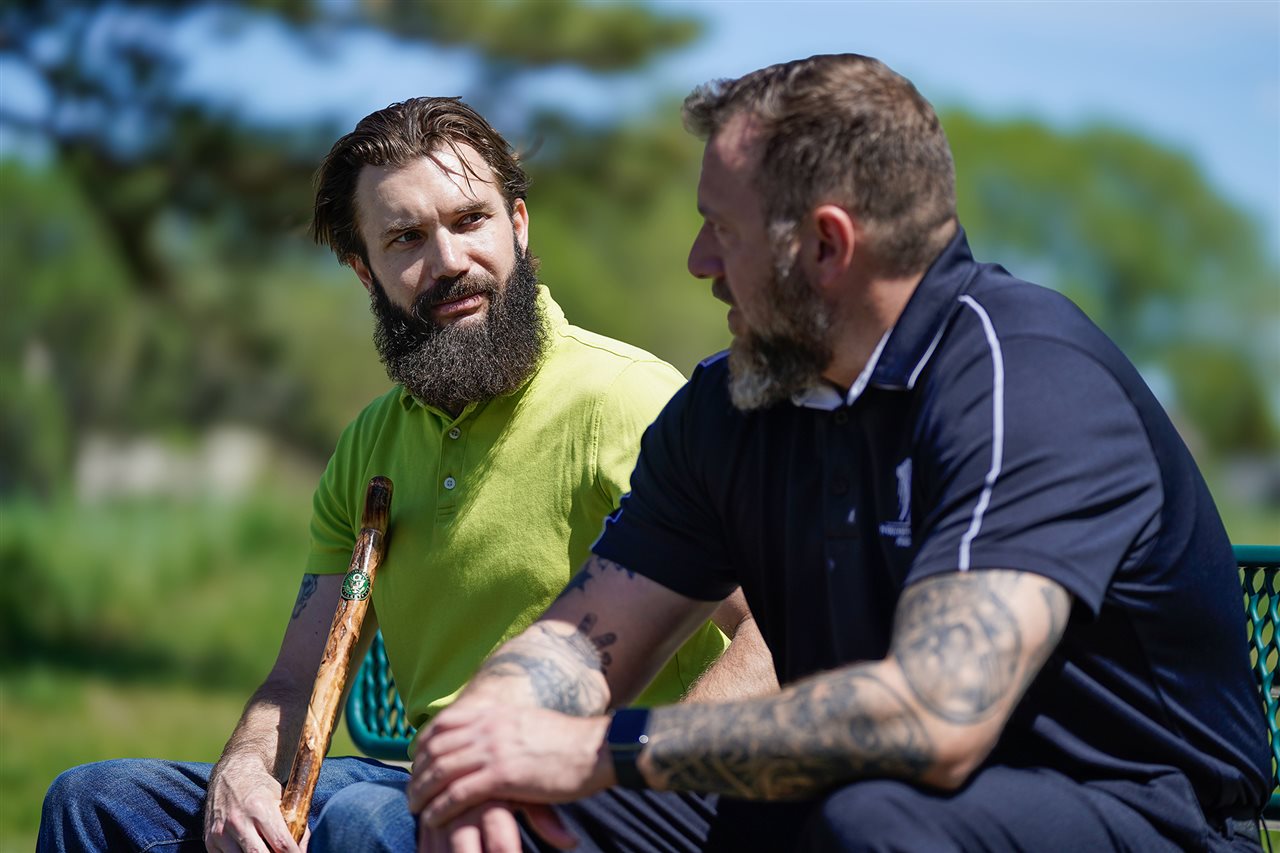
"The focus is often on intervention, but we're often missing a critical piece of the conversation," said Tkach. "A veteran may not reach out until a crisis is already happening. To truly make an impact, we have to meet veterans where they are, before a crisis occurs, by connecting them to resources and support that protect against suicide."
True suicide prevention begins as soon as risk is present. No one person can end veteran suicide alone, but everyone can play a role in addressing its root causes and strengthening protective factors.

On average, America loses 17 veterans a day to suicide. That is 119 lives lost a week, more than 500 a month, and over 6,200 American heroes lost every single year.
Together, everyone can:
Identify risk factors and warning signs early. Understanding the difference between risk factors and warning signs is an important part of preventing veteran suicide. Risk factors are the underlying challenges that can increase vulnerability over time. Isolation, health challenges like traumatic brain injury and post-traumatic stress disorder, financial strain, or difficulties adjusting after military service can all be risk factors to monitor.
On the other hand, warning signs are often more immediate, like shifts in actions or personality. Changes in mood, behavior, or risk-taking, as well as comments about being gone or planning for the future without them, can be important warning signs.
By recognizing these signs early, understanding that they can be different for everyone, and having conversations before a crisis develops, everyone can help end veteran suicide.
Have tough conversations and provide support before the breaking point. Having open, direct conversations with each other about mental health can support the shift from reactive intervention to proactive prevention.
Veterans' family members and friends often feel unsure about how to support their loved ones during challenging times. Asking direct questions about mental health or suicidal thoughts can feel like a risk. The fear of messing up can lead to inaction.
But when someone is struggling, isolation can intensify emotional pain and reinforce feelings of hopelessness. That is why having honest, compassionate conversations before a crisis develops is so important.
Here are some tips for asking a loved one about suicidal thoughts:
- Share your observations. Start by showing care and sharing what you've noticed. Statements like, "You've said..." or "I've noticed..." can open the door to an honest conversation.
- Validate their experience. Let them know their feelings are heard and understood. Simple responses such as, "That sounds overwhelming" or "That sounds really painful" can be powerful, especially coming from someone they trust.
- Ask directly. If you're concerned about suicide, use clear and direct language. Ask questions like, "Are you thinking about suicide?" or "Are you thinking about ending your life?" Avoid vague wording and create space for an honest response.
- Be prepared to listen.
Reaching out, checking in, and creating space for someone to share their experiences and thoughts can help restore a sense of safety and support. For individuals experiencing thoughts of suicide, meaningful connection and early support can serve as critical protective factors, helping them feel seen, supported, and less alone in their pain.
Suicide is complex, so take the responsibility off yourself to have all the answers, offer solutions, or try to be a therapist. The most important thing you can do is hold space to listen and validate their challenges.
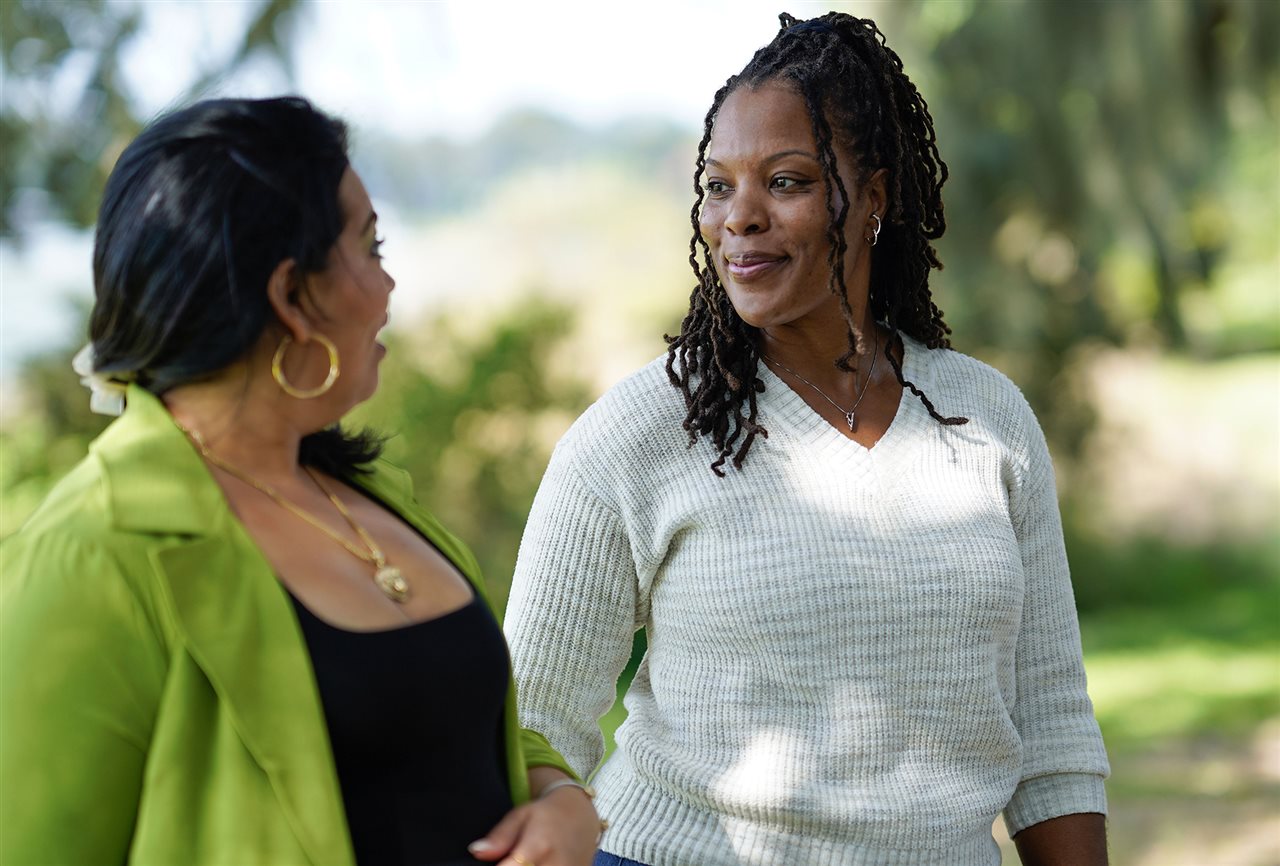
Help build stronger support systems for veterans during their transition to civilian life. When service members leave the military, they're leaving behind more than a job. They're also leaving structure, stability, and camaraderie. Navigating the unpredictable nature of civilian life often leaves veterans isolated, feeling as if they've lost their purpose, and even who they are as a person. But, they don't have to face these challenges alone. A strong community of support can save lives. Access to trusted resources, meaningful connections, and a sense of belonging can make all the difference for veterans facing challenges.
You can play a part in creating suicide-safe communities by supporting and getting involved with organizations like WWP. The veterans nonprofit not only provides direct resources and support for service members, veterans, and families, but also builds more supportive communities through training and education that equips individuals with the skills needed to intervene effectively and compassionately.
The workshops help participants learn how to talk to someone about suicide, the signs to watch for, and how to develop a plan to support their immediate safety. With specialized suicide prevention training, more people in veteran communities can become advocates for suicide prevention, offering life-saving support.
"By increasing the number of individuals trained to recognize warning signs and provide effective, evidence-based prevention, intervention, and postvention support, Wounded Warrior Project is working to ensure that veterans at risk of suicide have more opportunities to interact with individuals who are informed about suicide risk," said Tkach.
Shifting from reactive to proactive prevention saves lives

Ending veteran suicide is a national responsibility, and it needs to begin now. By building proactive community support at every level, everyone can help protect the men and women who protected them.
"The most effective way to end veteran suicide is to stop waiting. We need to identify risks early, have direct and open conversations about suicide, and build strong, supportive communities for veterans to come home to," said Tkach. "The goal isn't to respond when we see the crisis, but to ensure no veteran has to face that crisis alone in the first place."
If you or someone you know needs support, immediate help is available 24/7. Call the Veteran Crisis Line at 988, then press 1 or text "HELP" to 838255.
Learn more about how Wounded Warrior Project is working to end veteran suicide.
All photos courtesy of Wounded Warrior Project.