Bottom Line Up Front: In a recent speech, Nvidia CEO Jensen Huang outlined his plan for bringing manufacturing jobs back to America: force companies to build AI infrastructure in America. Huang says this is essential to ensure that everyday Americans can prosper in the age of AI, not just those with PhDs and college degrees. This is something he is fully aligned with President Donald Trump on, and they’re already taking noticeable action to make sure it happens.
The Details: At a Center for Strategic and International Studies (CSIS) fireside chat on securing U.S. leadership in artificial intelligence, Nvidia founder and CEO Jensen Huang addressed his thoughts on federal industrial policy and the best path forward for the United States. When asked about policy approaches spanning energy, regulation, and ownership frameworks, Huang focused on what he described as foundational constraints to long-term growth, linking energy availability, manufacturing capacity, and technological change.
Specifically, Huang said, “President Trump walked into a situation where dramatic actions needed to be taken. The first dramatic action that needed to be taken is to reverse the mistakes in energy growth over the course of the last decade. We’ve done our country a great disservice. There are no new industries you can grow without energy.”
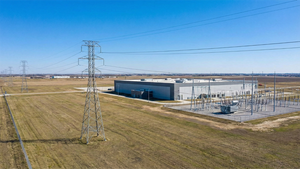
The idea is simple: if there is no electricity to power America’s manufacturing hubs, then there’s no chance they can thrive. Simply building the manufacturing first and the electricity later will skyrocket costs, further making build-out unsustainable.
He extended that argument to social and economic outcomes, adding, “If we want to fix our social issues, domestic social issues, we have to create prosperity, not just for people with PhDs and college degrees. We have to create prosperity for every segment of the economy. The largest segment of the economy is manufacturing. And we’ve offshored that for too long. For 20 years. We got to bring that back. And we have the ability to do so. And this AI industrial revolution, this flashpoint, is precisely when we should do it.”
Nvidia, through its various partners, is helping build out at least $500 billion in AI infrastructure in the U.S. during Trump’s 2024 term alone. Nvidia plans to use its leverage as the company at the center of all of this to ensure America is the AI manufacturing hub of the world. This, he says, will help bring those needed and prosperous manufacturing jobs back to the States.
The remarks came amid a broader discussion of how governments respond to structural shifts driven by AI, automation, and advanced computing. Rather than focusing on specific regulatory mechanisms or fiscal tools, Huang emphasized the importance of building energy supply and industrial capacity. While politicians focus on demonizing nuclear and coal, or the environmental impact of energy buildout, Huang says we should be focusing on ramping up energy production exponentially across every available vertical.
Huang’s perspective is informed by decades at the intersection of technology and manufacturing. Since founding Nvidia in 1993, he has overseen its transformation into a central supplier of computing platforms for AI, data centers, and high-performance systems. That position provides direct exposure to the industrial requirements behind digital innovation, including power generation, fabrication capacity, and workforce availability. From this vantage point, energy is the basis of the economy from which everything is built.
While Huang has spoken highly of the Trump administration, the relevance of these remarks extends beyond any single administration or moment. Markets consistently treat energy infrastructure and manufacturing investment as leading indicators of long-term productivity. AI intensifies that relationship by increasing demand for power-intensive facilities such as semiconductor plants and data centers. In that sense, Huang’s comments align with a broader recognition that advanced technologies remain limited by the infrastructure built out to support them.
By framing AI as an “industrial revolution” rather than solely a software breakthrough, Huang tied social outcomes to industrial strategy. His argument implies that widespread prosperity depends on whether technological change is paired with domestic production and accessible employment.
On the date of publication, Caleb Naysmith did not have (either directly or indirectly) positions in any of the securities mentioned in this article. All information and data in this article is solely for informational purposes. For more information please view the Barchart Disclosure Policy here.
More news from Barchart
- This Stock Is One of Warren Buffett’s ‘Crown Jewels.’ Should You Buy It for 2026?
- Is UnitedHealth Stock a Buy, Sell, or Hold for January 2026?
- Looking for the Next Berkshire Hathaway? Experts Are Circling In on This 1 Little-Known Stock
- Looking for the Big AI Winners of 2026? This Analyst Says Reddit Stock Should Top Your List.