Insurance for transgender hair transplants is accepted by Dr. Sajan.
SEATTLE, WA / ACCESS Newswire / March 17, 2026 / Insurance coverage for transgender hair transplant surgery remains one of the most frequently asked questions in gender-affirming care, particularly among patients seeking hairline feminization or restoration in areas affected by prior surgery. This surgery has become especially valuable for patients who have undergone facial feminization and have forehead scars that can be effectively concealed with hair transplantation. At Allure Esthetic, Dr. Javad Sajan accepts insurance for transgender hair transplant and helps eligible patients navigate insurance verification, prior authorization, and required documentation.
Growing Recognition of Hair Transplant as Gender-Affirming Care
International clinical guidelines now recognize hair-related procedures as part of gender-affirming treatment. The World Professional Association for Transgender Health (WPATH) Standards of Care, Version 8, include hair removal and hair transplantation among gender-affirming interventions, alongside surgeries, hormone therapy, and other medical treatments.
Some health plans have begun to reflect this shift. For example, Aetna lists "scalp hair transplantation" among procedures that may be considered part of gender-affirming surgery in certain states. Large employers and insurers increasingly describe hair transplants as potentially covered when they are part of a documented gender-affirming treatment plan and meet medical-necessity criteria.
Insurance Coordination for Transgender Hair Transplant at Allure Esthetic
Allure Esthetic bills most major insurance plans for transgender and gender-affirming surgery and works with private insurers to seek coverage for hair transplantation when it is part of a patient's transition-related care. The practice says it is the only clinic in the United States that routinely works with private insurance providers to pursue coverage for gender-affirming hair transplantation.
The team manages prior authorization, documentation, and claim submission on the patient's behalf. This includes preparing medical-necessity materials and coordinating with mental health and medical providers in line with broader trends in transgender insurance coverage.
Dr. Sajan says "Nobody should have to figure out insurance paperwork while going through a gender transition. Our team handles the administrative side of the process, so patients can focus on their care."
Surgical Techniques for Transgender Hair Restoration
Hair restoration for transgender and nonbinary patients may involve feminizing the hairline, filling in temporal recessions, reshaping the frame of the forehead, or creating denser facial hair for a more traditionally masculine appearance. At Allure Esthetic, these goals are addressed using both FUE (follicular unit extraction) and FUT (strip) hair transplantation, with selection based on anatomy, donor availability, and aesthetic objectives.
To reduce visible signs of surgery in everyday life, the clinic also offers a no‑shave hair transplant option, particularly through FUE-based methods. This "no-shave" approach can be particularly relevant for transgender women, for whom shaving the scalp may worsen gender dysphoria.
Dr. Sajan also provides combined facial feminization surgery (FFS) and hair transplantation in a single operative session for selected patients, allowing hairline work and facial procedures to be planned together.
Addressing Prior FFS Scars Through Hair Transplant
For some patients, hair transplantation may also serve a secondary role after facial feminization surgery by helping reduce the visibility of scars near the hairline or forehead. Dr. Javad Sajan incorporates this approach in selected cases where previous FFS procedures have left scarring that affects the overall appearance of the scalp and hairline.
In these cases, treatment planning often goes beyond restoring density or reshaping the hairline. Graft placement may also be used to help the treated area blend more naturally with the surrounding scalp. For transgender patients seeking additional refinement after earlier gender-affirming procedures, hair transplantation can become part of a broader strategy to improve continuity along the hairline and soften visible signs of prior surgery.
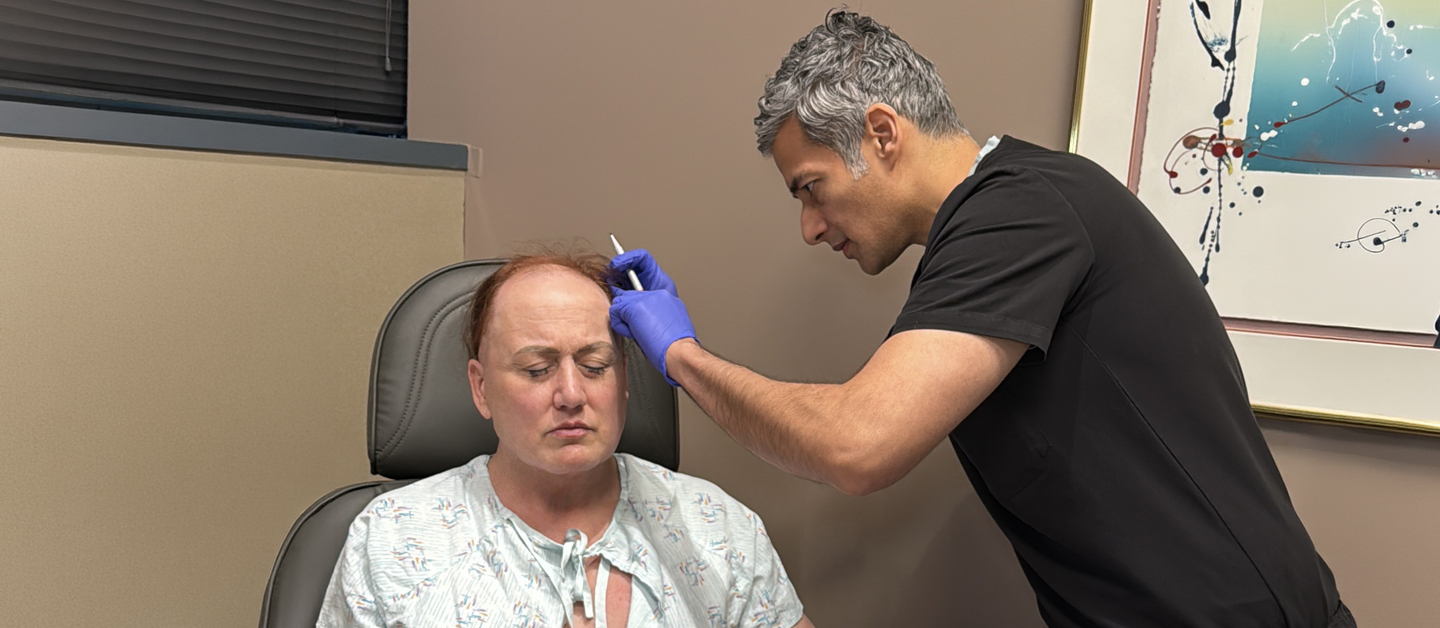
Expanding Access to Gender-Affirming Hair Restoration
In a healthcare environment where insurance coverage for gender-affirming treatments can vary widely, Allure Esthetic has worked with insurance providers to support recognition of hair transplantation as a medically necessary component of care for some transgender patients. Dr. Javad Sajan and the Allure Esthetic team have spent years documenting clinical outcomes and engaging with insurers to help eligible patients pursue coverage for these procedures.
According to Dr. Sajan "Hair restoration isn't a cosmetic add-on for many transgender patients. It can be central to how they see themselves. Getting insurers to recognize that took years of documentation and advocacy, and we're going to keep making that case for every patient who needs it."
As policies continue to evolve, efforts like these by Dr. Sajan are helping shape a more inclusive path for transgender patients.
Media Contact:
Allure Esthetic - Seattle
Phone:- 206-209-0988
Website:- www.allureesthetic.com
SOURCE: Allure Esthetic Plastic Surgery
View the original press release on ACCESS Newswire